Workplace health and safety
Observe risks in real situations and act with teams.
Using video, K-process helps your teams see what they overlook in everyday work and develop practical improvements together, verified in the field.
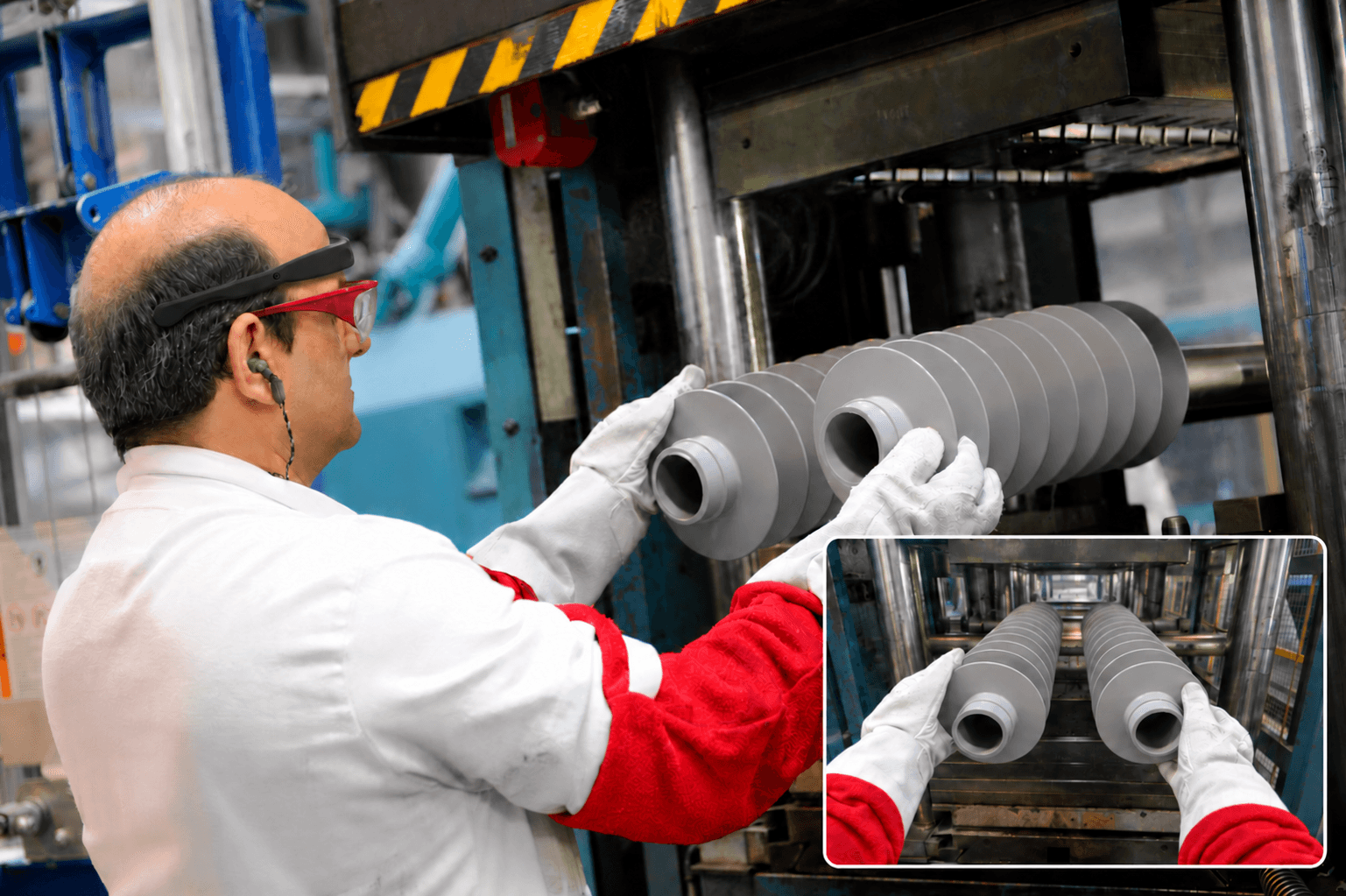
Observe risks in real situations and act with teams.
Understand gaps and make practices more reliable.
Spot lost time and improve operations.
Document essential skills and pass on practices.
01 / Starting point
Our approach brings actual work, described work, and prescribed work into comparison. By making the gaps between them visible and understandable, the people involved can bring these three dimensions together into shared, effective, and lasting practices.
Depending on the project, this understanding may draw on video, photos, process data, and input from subject-matter experts. Video provides the starting evidence, not the final deliverable. It supports decisions, validation, standardization, and knowledge transfer.
02 / Our approach
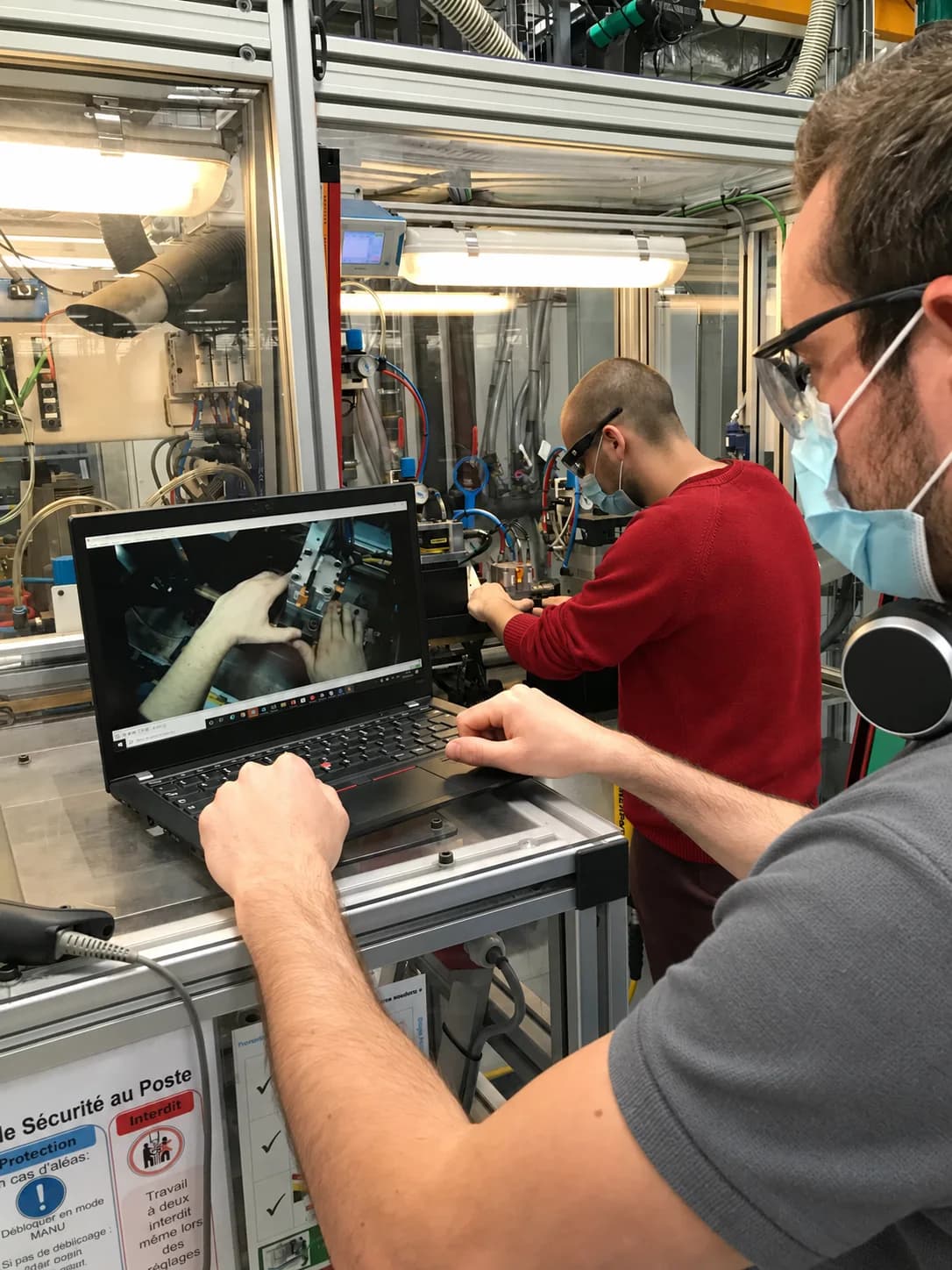
Make real work observable
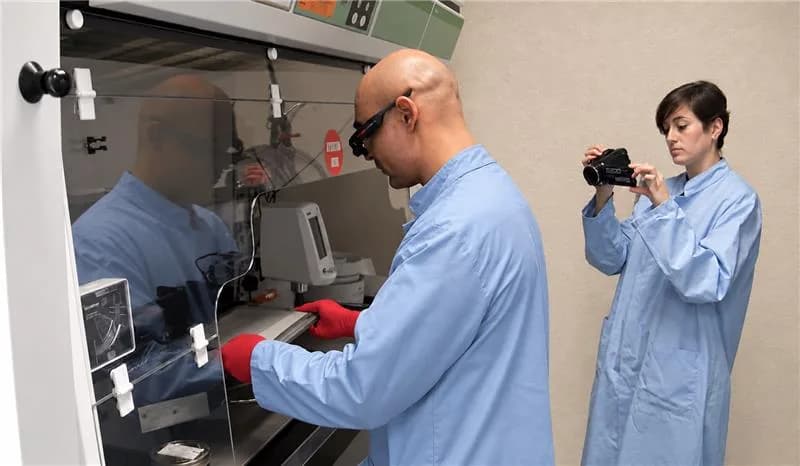
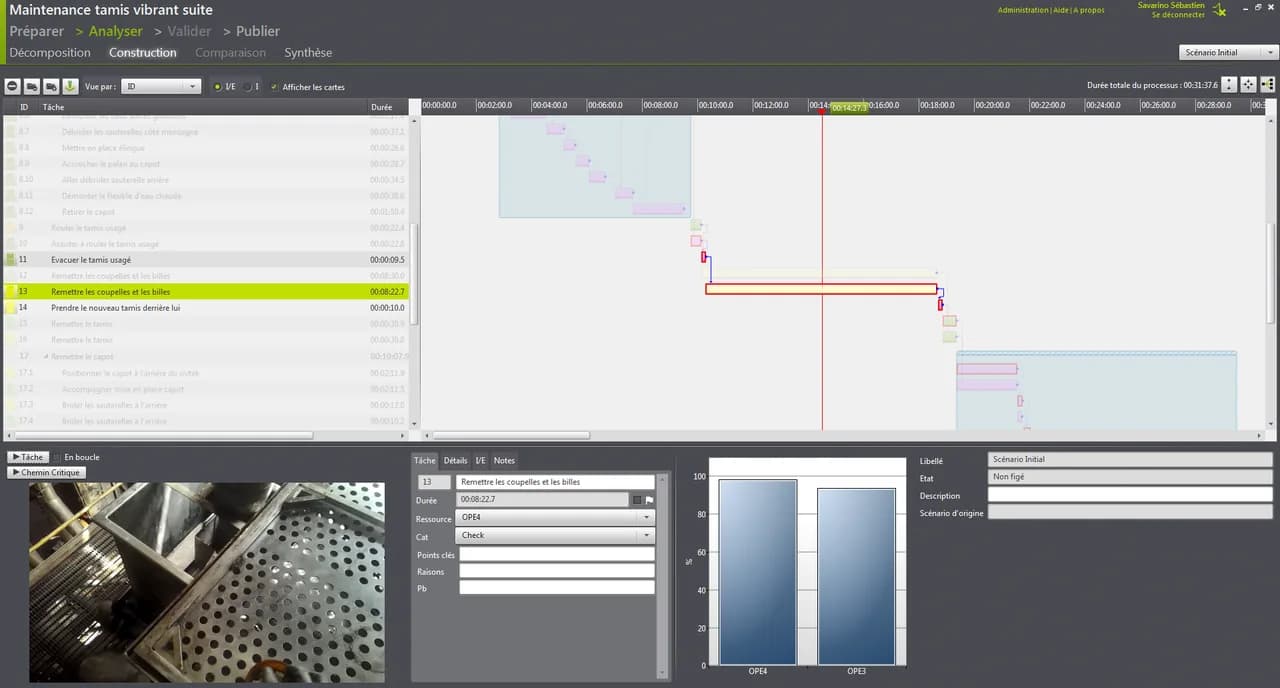
Turn observations into a readable process
Let the people doing the work explain their choices
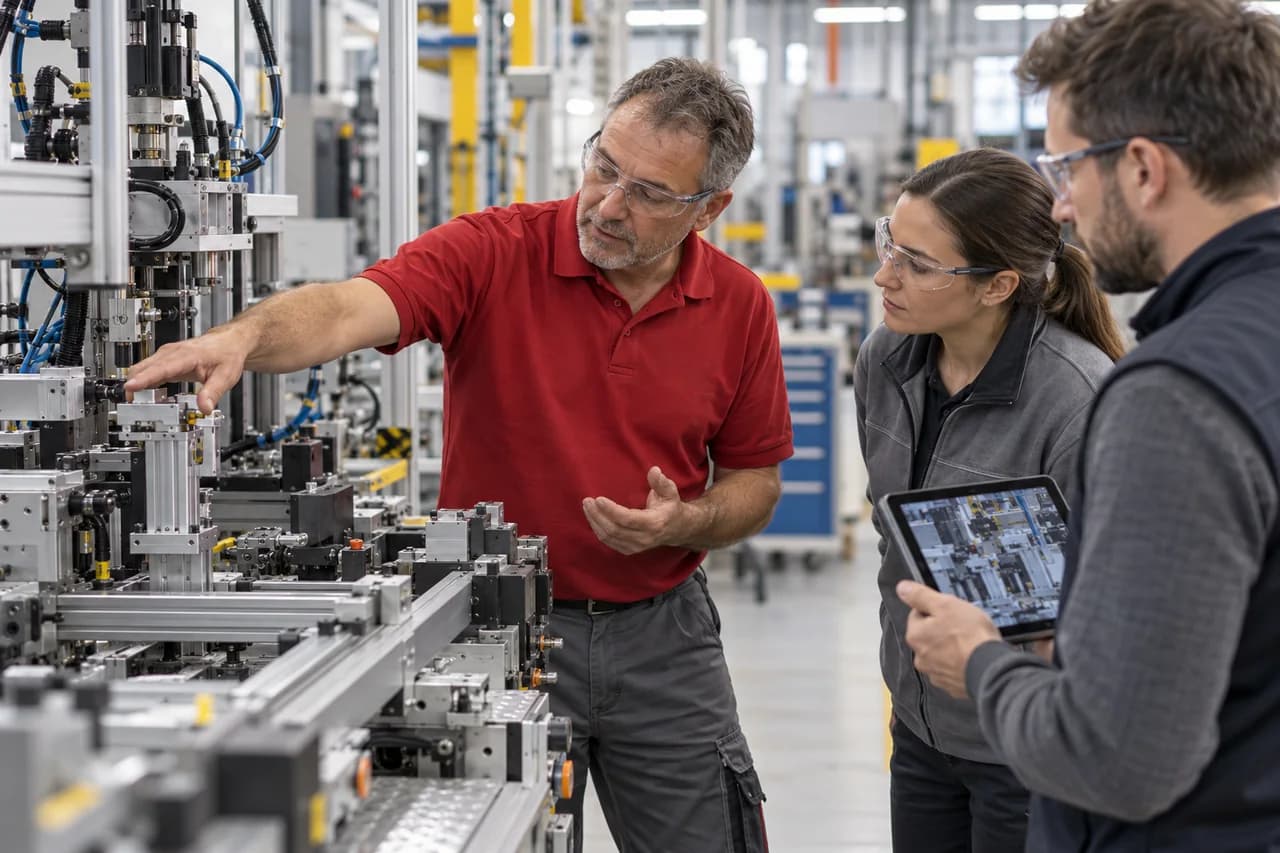
Build a realistic, shared target
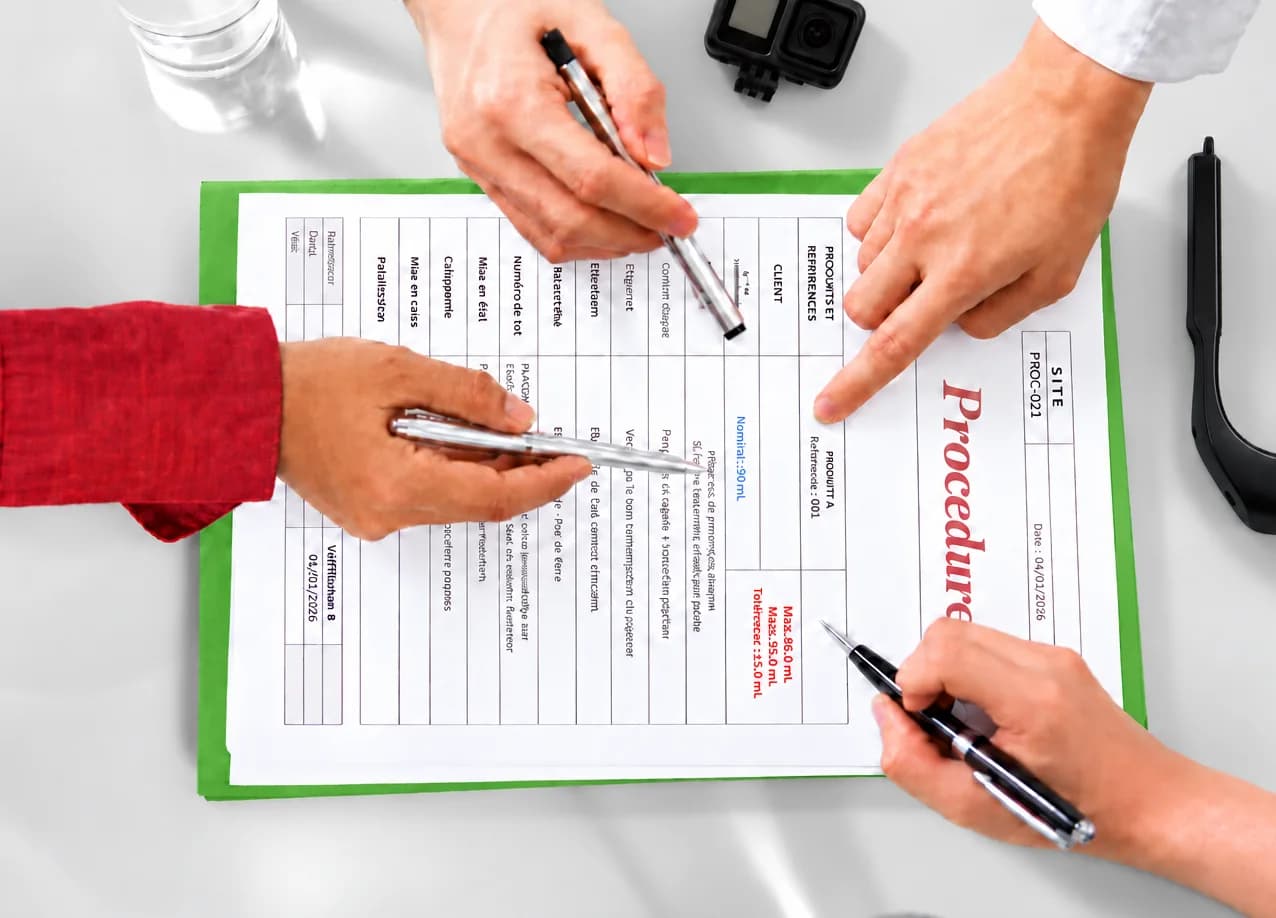
Test the target through a new execution
Standardize, train, and qualify
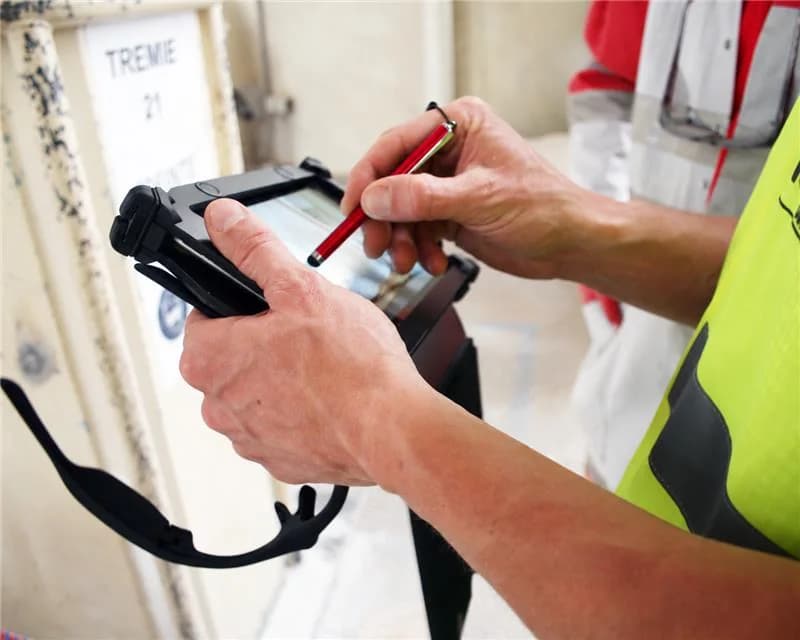
Return to the analysis or decision and test again in the field.
Standardize, train, and sustain the practice.
Decisions are built with operators, subject-matter experts, management, and the relevant functions.
Analysis starts with real situations, and solutions are verified where they must work.
Objectives, indicators, and evidence of results are defined for the project scope.
The approach can extend from analysis to implementation, validation, training, and qualification.
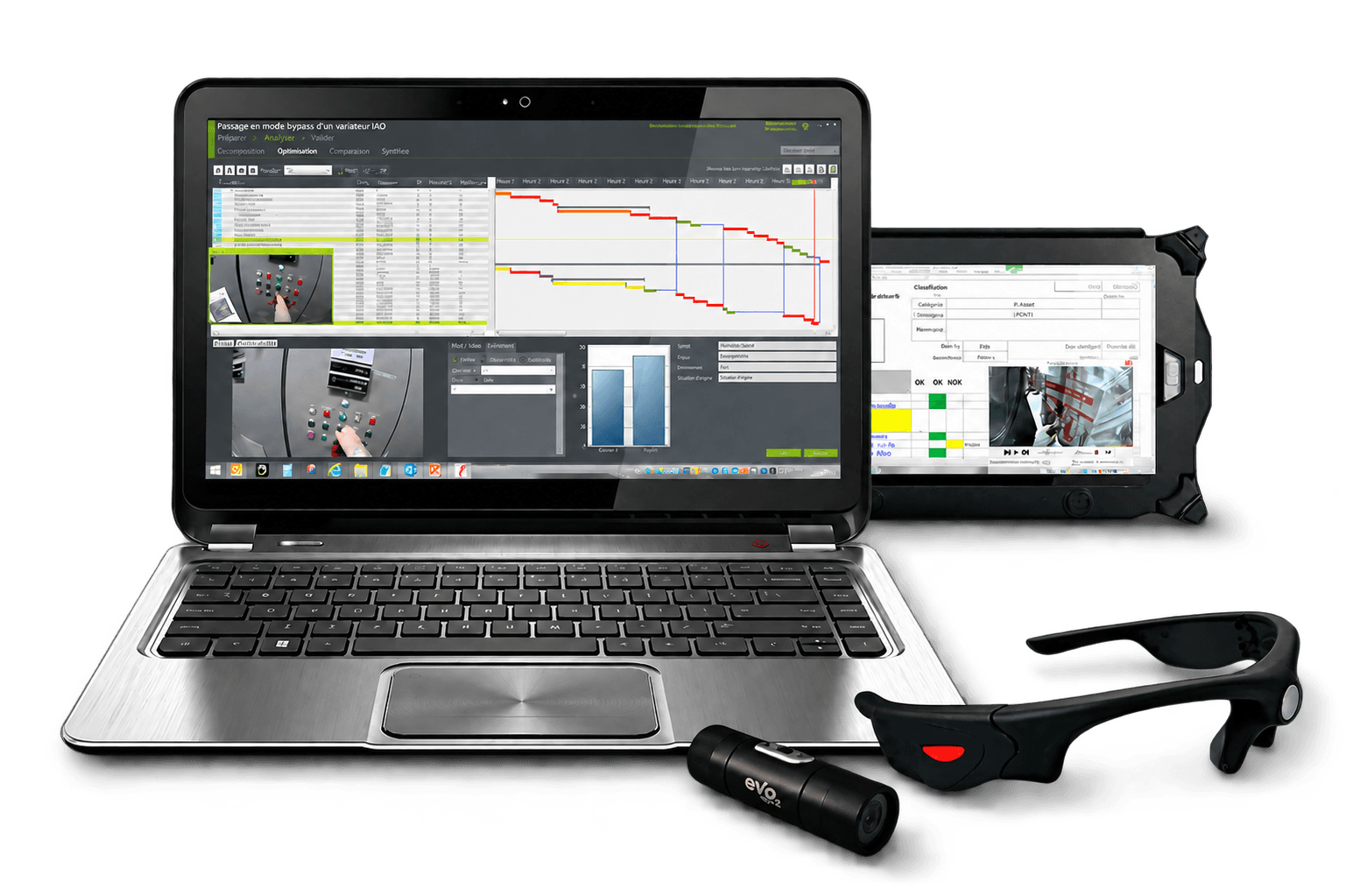
KL²® is the platform designed to support this approach. It helps reconstruct, review, compare, simulate, and document real work. It does not replace human expertise or field validation.
03 / Client project · Process industry
 KL² · Support the approach
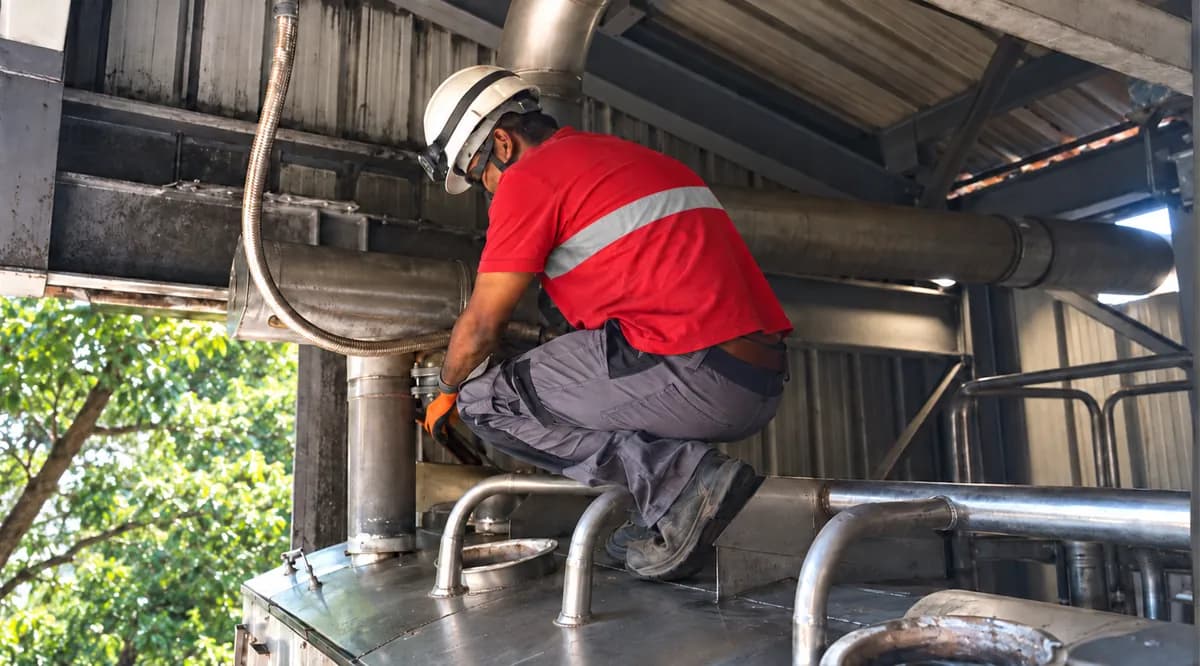 BEFORE
Working while crouched on the equipment.
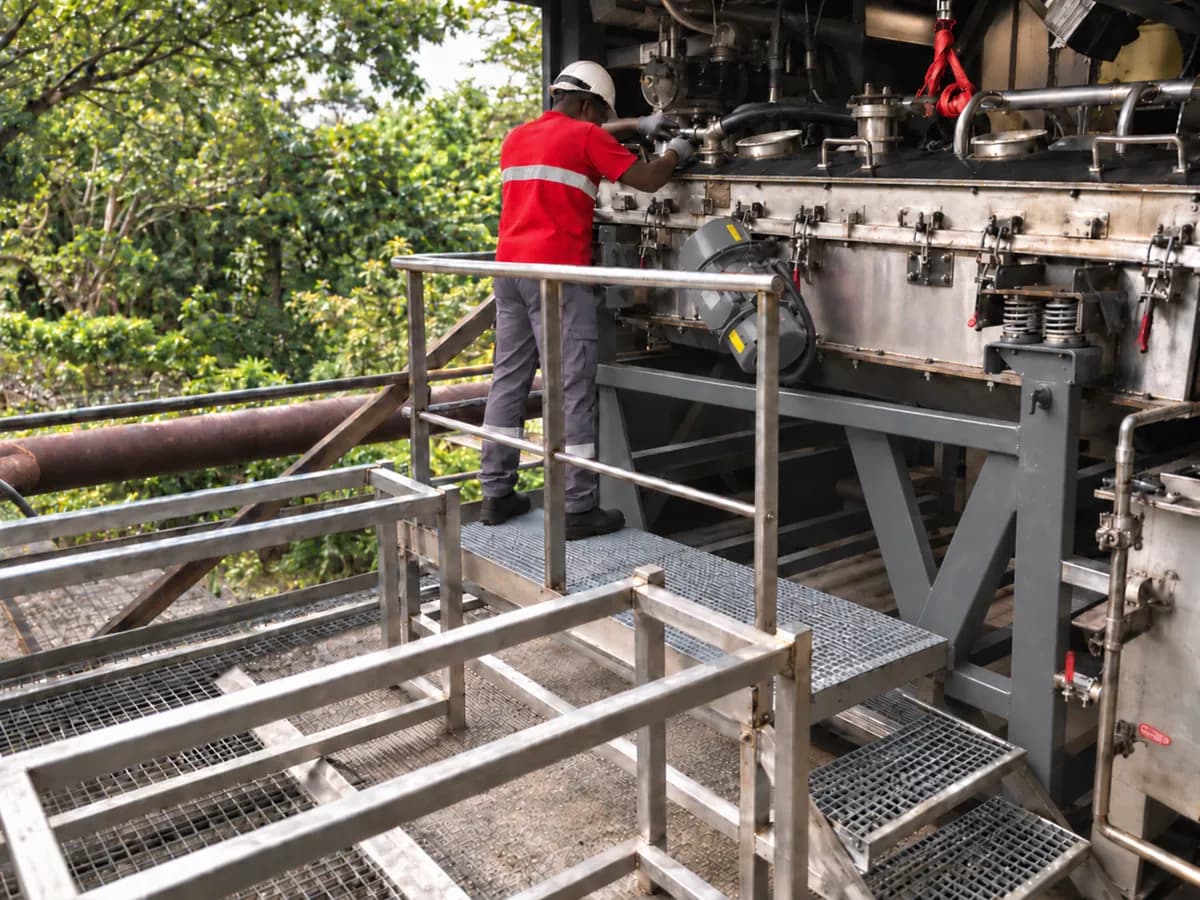 AFTER
Working while standing on a platform with guardrails.
04 / OUR OFFERS
The shared tool to analyze real work and pass on know-how
05 / FAQ
Video, confidentiality, delivery format, training: a few useful starting points before our first conversation.
Video makes the work as actually performed visible and shareable. It helps the people involved reconstruct an activity, explain their choices, and compare scenarios based on facts. Recording is limited to the useful scope. Video provides the starting evidence for the analysis; it is not the final deliverable.
Both are possible. DIAGNOSTIC, AUDIT, IMPROVE, and SERENITY may require an on-site presence when observation, implementation, or validation must take place under real working conditions. SUPPORT is designed for an initial fully remote analysis using materials supplied by the client. The delivery format is defined during the introductory call.
DIAGNOSTIC helps understand a situation, reveal the main issues, and frame a project before deciding what comes next. AUDIT evaluates practices against a framework or criteria already defined with the client, such as a 5S standard. Both may lead to a project charter and refined estimate, but they start from different questions.
IMPROVE transforms an organization or process, supports implementation, and validates results in the field. SERENITY stabilizes know-how, turns it into a standard, and supports knowledge transfer and, when included in the scope, formal workstation qualification. The two offers can be combined within the same project.
SUPPORT provides an initial level of modeling or analysis based on videos, documents, and data supplied by the client. The engagement is targeted, delivered remotely, and produces a concise, reusable deliverable. It does not replace an on-site engagement when implementation or validation under real operating conditions is required.
KL²® is the platform designed to support the K-process approach. It helps reconstruct, review, compare, simulate, validate, and document real work. Depending on the engagement, K-process uses the platform and may integrate it into the client’s own system under jointly defined terms. The software does not replace subject-matter expertise or field validation.
KL²® enables people to analyze work. Its Excel/PDF deliverables allow the client to enter and record workstation qualification performed by a human evaluator.
K-process delivers its services in French and English, in France and internationally.
Yes. For more than 20 years, K-process has supported organizations in over 45 countries. Depending on the objectives, an engagement may combine remote preparation, on-site work, and remote follow-up. Scope, language, travel constraints, and site-specific rules are agreed before work begins.
Confidentiality is addressed when defining the scope of each engagement. The information used, authorized access, and arrangements for transferring, retaining, and deleting information are agreed with the client for each project.
Yes. K-process can combine consulting with KL²® training, whether the engagement is delivered on site, remotely, or in a hybrid format. Training is adapted to the participants’ roles, the intended use of KL²®, and the level of autonomy required. Depending on the scope, it can cover process reconstruction, analysis, scenario comparison, validation, and the production of reusable project deliverables. Objectives, prerequisites, and delivery arrangements are defined with the client.
06 / Contact
Tell us about the situation you want to understand, transform, or sustain. We will respond to clarify the need and identify the most useful first step.